What are the different levels of anxiety?
Anxiety levels are typically classified by the level of distress and impairment experienced into four categories: mild anxiety, moderate anxiety, severe anxiety and panic level anxiety.What are the 5 stages of anxiety?
What are the five major types of anxiety disorders?
- Generalized Anxiety Disorder. ...
- Obsessive-Compulsive Disorder (OCD) ...
- Panic Disorder. ...
- Post-Traumatic Stress Disorder (PTSD) ...
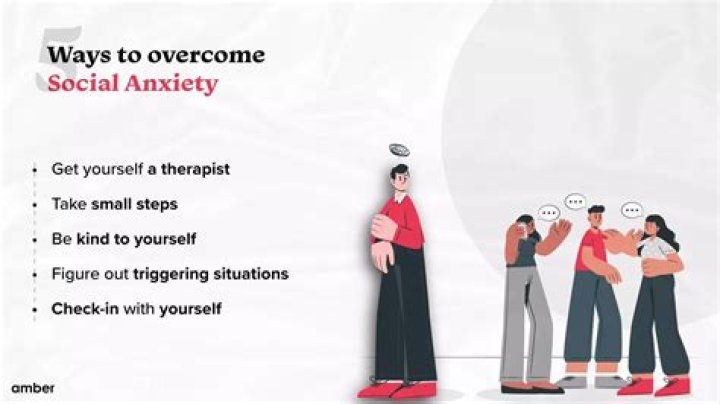
- Social Phobia (or Social Anxiety Disorder)
How do I know my anxiety level?
The most common measure used to assess anxiety in treatment outcome studies is the Hamilton Anxiety Scale (HAM-A),7 8 which is a primary measure for generalised anxiety disorder (GAD) and is often used to assess general anxiety symptoms across conditions.Who described the four levels of anxiety?
A feeling of discomfort and apprehension related to fear of impending danger.Stress and General Adaptation Syndrome, Anxiety - Psychiatric Mental Health Nursing @LevelUpRN
What is low grade anxiety?
What is Low-Grade Anxiety? Excessive, ongoing worry and tension. Unrealistic view of problems. Restlessness or "on edge" Trouble concentrating.What is the 3 3 3 rule for anxiety?
Follow the 3-3-3 rule.Look around you and name three things you see. Then, name three sounds you hear. Finally, move three parts of your body — your ankle, fingers, or arm.
What is a high anxiety score?
The total score ranges from 0–63. The following guidelines are recommended for the interpretation of scores: 0–9, normal or no anxiety; 10–18, mild to moderate anxiety; 19–29, moderate to severe anxiety; and 30–63, severe anxiety.What is high functioning anxiety?
“The term high functioning anxiety describes an individual who, despite feeling anxious, seems able to effectively manage the demands of day-to-day life,” says psychologist Adam Borland, PsyD.Is anxiety a mental illness?
Anxiety disorders are the most common of mental disorders and affect nearly 30% of adults at some point in their lives. But anxiety disorders are treatable and a number of effective treatments are available. Treatment helps most people lead normal productive lives.What are the 11 types of anxiety?
Types of Anxiety Disorders
- Generalized anxiety disorder. You feel excessive, unrealistic worry and tension with little or no reason.
- Panic disorder. ...
- Social anxiety disorder. ...
- Specific phobias. ...
- Agoraphobia. ...
- Separation anxiety. ...
- Selective mutism. ...
- Medication-induced anxiety disorder.
What is the 54321 rule for anxiety?
One of the most common grounding techniques is the “54321” exercise. It goes like this: Start with deep breathing. Breathe in for 5 seconds, hold the breath for 5 seconds, and breathe out for 5 seconds.What does mild anxiety feel like?
Mild anxiety tends to be when you have irritating symptoms that don't seem to go away, but that otherwise doesn't control you. For example: You have constant worries but you can generally ignore them. You may feel nervous, nauseated, shaky, or sweat, but you aren't debilitated by these symptoms.Is panic the highest level of anxiety?
This is an individual experiencing a panic attack. Panic attacks are rarer and more severe than anxiety. They can come out of the blue, without warning or provocation. People having panic attacks can experience shortness of breath, dizziness, nausea, and numbness.Is mild anxiety a mental illness?
Mild, occasional anxiety is not something to treat or worry about. It is only part of normal neurological functioning. When anxiety reaches a certain level of intensity and frequency, however, it stops being useful. Rather than fueling foresight, it becomes a source of suffering and distraction.Is anxiety a part of ADHD?
Although anxiety and ADHD may occur together, ADHD is not an anxiety disorder. Sometimes, anxiety can occur independently of ADHD. Other times, it can be as a result of living with ADHD. A person who has ADHD and misses a work deadline or forgets to study for an important exam can become stressed and worried.What causes anxiety to flare up?
A sudden onset of anxiety can be triggered by a plethora of things—from a major event, like a death in the family, to everyday stressors, such as work or budget worries—but sometimes it can be caused by seemingly nothing at all—or even issues you're not consciously aware of.Can ADHD feel like anxiety?
Attention deficit hyperactivity disorder (ADHD) and anxiety are separate conditions, but for a lot of folks they come as a package deal. About half of adults with ADHD also have anxiety disorder. If you're one of them, the right treatment can improve your ADHD symptoms and ease your anxious feelings, too.What does a GAD score of 17 mean?
GAD-7 total score for the seven items ranges from 0 to 21. 0–4: minimal anxiety. 5–9: mild anxiety. 10–14: moderate anxiety. 15–21: severe anxiety.How is stress and anxiety measured?
Stress Assessments
- Heart Rate Variability (HRV)
- EEG or brainwaves.
- Breathing assessment via capnometry.
- Adrenal assessment.
- Skin conductance and skin temperature.
- Sleep tracking.
- Resting heart rate or passive heart rate.