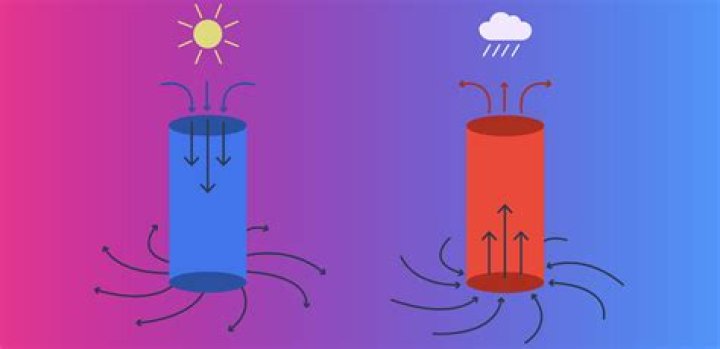
It's safe for you to store your propane tanks outside during the winter because low and freezing temperatures aren't dangerous like high temperatures are. However, you should be aware that the damp areas that are created by rain and snow can cause rusting on the actual tank itself.
Can I leave a propane gas tank outside?
Propane tanks should always be stored outdoors, in well-ventilated areas. Storing propane tanks in garages or sheds is discouraged because if a valve isn't fully closed, vapors could escape and concentrate indoors. A flat, level outdoor area that is out of direct sunlight is the ideal location.How cold is too cold for propane tanks?
A propane tank cold temperature limit is -44 degrees Fahrenheit — at that point, propane turns from a gas to a liquid. Propane can only heat your home when it's in a gaseous state, not when it's a liquid. Your storage tank keeps propane in its gaseous form under high pressure.Can a propane tank explode in cold?
Always store your propane tank outdoors at least five feet away from your home – never bring it inside for the winter as it has the potential to explode at warmer-than-normal temperatures (and there's always that one family member who wants to crank the thermostat to keep warm…)Where do you put propane tank in winter?
Smaller, portable propane tanks should never be stored indoors. To prepare a tank for winter, shut off the main valve and disconnect it from your grill's gas line. Keep it on a flat, stable surface, away from open flames, where it will be undisturbed.Is it OK to leave propane tank outside in winter?
Can your propane tank be covered in snow?
Propane tanks that are covered in deep snow are at risk for leaks, as the weight of the heavy snow can cause fittings, joints, and sometimes even the entire tank to shift. This problem can be compounded by snow being cleared off roofs, driveways, and walkways onto tanks, lines, and fittings.What temperature do propane tanks explode?
As the portable propane tank gets hotter, the pressure inside the tank will increase. But tank temperatures would need to reach higher than 120 degrees Fahrenheit or 40 degrees Celsius to cause a rupture.Where is the best place to store a propane tank?
Store the tank in a dry, well-ventilated outdoor area.Always store a tank upright, since the over-pressure vent must be in contact with the propane vapor, not the liquid. Keep your propane tank out of enclosed spaces. Gas may leak and could make the area dangerous.
Can you store a propane tank in a shed?
DON'T store propane tanks indoors or in a garage, basement, carport, shed, sunporch, or carport. DO keep propane tanks away from flames and spark-producing tools. DON'T store your backup grill tank near the grill.Why would propane tank explode?
If the pressure inside the tank grows to a level exceeding that at which the safety relief valve can expel it from the tank, the propane tank may rupture. If flames or a source of ignition is present, the propane will ignite resulting in an explosion.Should propane tanks be covered?
If you want to improve the look of your propane tank, keep it in good condition, and protect your vehicle from damage during transportation, you should absolutely cover your propane tank.Why do propane tanks freeze on the outside?
Most instances of “freezing” occur on pressure regulators - where the propane's pressure is reduced to a level usable by appliances and equipment. As the liquid propane expands to a gas form and reaches its boiling point, it commonly freezes the available humidity around the regulator.Is it safe to store propane tanks in garage?
Keep in mind that propane tanks should not be stored in a shed, garage, basement or attic, or brought indoors for any reason – they should only be stored in a dry, open, well-ventilated area outdoors. It is only safe to store your propane tank inside if it has been completely emptied of propane.How do you maintain a propane tank?
Here are five simple steps for properly maintaining your tank.
- Schedule Regular Propane Deliveries. It's extremely important not to let your gas tank run dry. ...
- Understand the Impact of Temperatures. ...
- Check for Leaks. ...
- Make Sure the Ground Stays Level. ...
- Check for Other Problems.
Are residential propane tanks safe?
It is colorless, non-toxic, and virtually odorless. Propane is a safe, reliable and clean energy source. If there is any concern that you or anyone else where propane is being stored and used may not smell a possible leak, there are propane gas detectors to help with propane safety.Can a propane tank sit in the sun?
Keep it in the shade.While your tank should not be stored indoors, it should also not be stored in direct sunlight. On a hot sunny day, the temperature of a tank that's not properly stored could quickly go above 120°F. The hotter your tank gets, the greater the pressure will be inside the tank.